FREE ADMISSION
Panel
Languages and Accents: Assets or Barriers?
How do languages and accents shape opportunities for artists in Canada?
Everyone has an accent. Often, that accent is influenced by many different languages, cultures, and people. In a society as diverse as Canada, how do the way we speak and the words we use signify our identity and story to the listeners? From Bad Bunny’s global success to the power of cultural specificity, this panel explores how identity can reshape the mainstream.
Two Vancouver-based music artists will share their experiences as Asian Canadian creatives and how their heritage, language, and accents has affected their music careers.
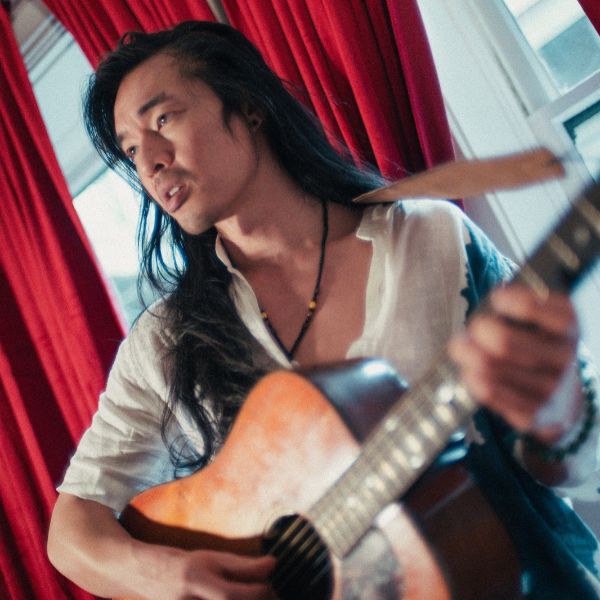
SPEAKER: Caroline Ding, Daniel Lew
Caroline Ding
Caroline’s musical journey began early—she started playing piano at the age of five and wrote her first song by ten, earning recognition as a gifted musical child. Although she initially set aside her artistic path to pursue a career in research, she rediscovered her passion in 2020 and released her debut single.
Daniel Lew
12 years ago, Daniel Lew woke from a nightmare to find that he had gone deaf in one ear. It was a life changing moment that became a silver lining and supercharged his music journey. Everyday he strives to sing and strum as if it is the last time. Daniel writes genre-bending songs that shine with honesty, merging his soulful voice with introspective lyricism, catchy guitar riffs and groovy rhythms. “Folk music writ large with electrifying vocals” (Pancouver Magazine). Recently, he toured his 4th album “Destiny” in Canada and Taiwan, and landed CBC airplay for “Let The Angels Shine” and “Man In The Captain’s Seat”. He has also begun infusing Chinese languages into his music to reclaim and share his heritage. Daniel hopes his music will help listeners sink deeper into the present and fuel them with inspiration.

Wednesday, November 4th
12:00 PM
Coach House, Green College, UBC
6201 Cecil Green Park Road
Wednesday
November 4th
12:00 PM
Coach House, Green College, UBC
6201 Cecil Green Park Road
Representation: A Seat at the Table or a Decolonial Shift?
What does meaningful representation look like?
In recent years, we’ve seen forward strides across the Canadian creative sector towards more representation for Asian Canadian artists and communities. But representation is an ongoing issue as we continue to discuss tangible ways for true equity for all communities. What would representation look like beyond inclusion metrics?
With perspectives from an Asian Canadian music artist and an analyst from CreativeBC, this panel will explore equity, power, and decolonial change within cultural institutions and industries.
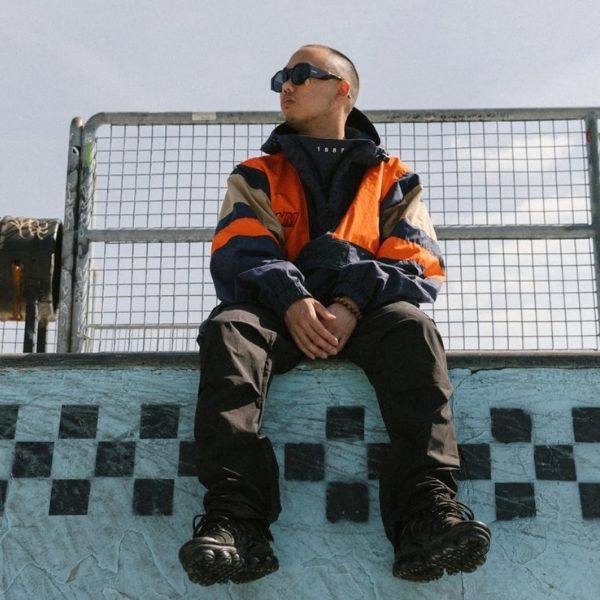
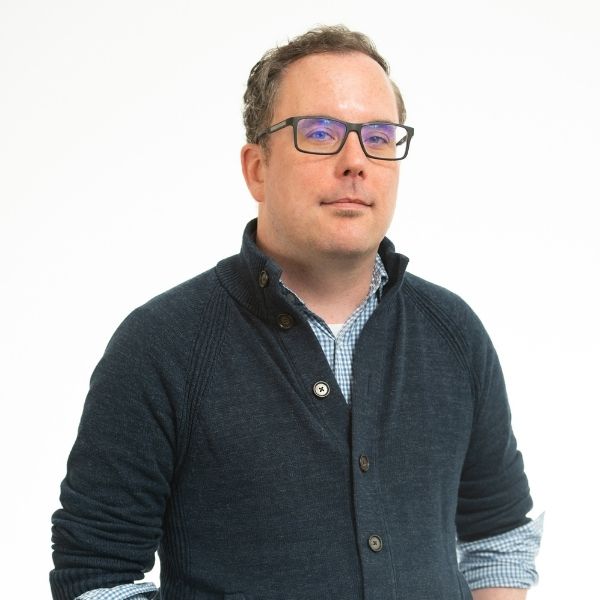
SPEAKER: Scope, Joseph Bardsley
Scope
Gerry Sung is a Canadian born Chinese rapper and producer based out of Vancouver under the alias SCOPE. The rapper fuses Hip-Hop and experimental elements through his music, along with high energy performances and stylized visuals. Scope draws from a wide spectrum of influences like sci-fi futuristic aesthetics from Blade Runner and Ghost in the Shell, as well as his production and ear for experimental and ambient soundscapes. Scope has been moving into a more experimental and multidisciplinary approach on stage, incorporating more theatrical components, new media and technology. His latest work has been as the Rap Narrator in a Cantonese Opera production. He has been serving as a catalyst in the city as well, operating music programs and activities for the next generation of Asian artists with Yellow Fire.
Joseph Bardsley
For nearly two decades, Joseph has worked at the intersection of arts, culture, philanthropy, and public funding, helping organizations and artists secure resources, build partnerships, and strengthen the Canadian cultural sector. For the last several years, he’s held positions of increasing responsibility on Creative BC’s Music Team, where he helps deliver Amplify BC, the Province of BC’s dedicated suite of funding programs for the music industry. His work includes program administration, application assessment, analytic reporting, and sector engagement that supports both artistic development and economic impact across British Columbia.
Wednesday, November 4th
1:15 PM
Coach House, Green College, UBC
6201 Cecil Green Park Road
Wednesday
November 4th
1:15 PM
Coach House, Green College, UBC
6201 Cecil Green Park Road

Jade Music Fest is grateful to be held on the traditional, ancestral, and unceded territories of the Coast Salish peoples of the xʷməθkwəy̓əm (Musqueam Indian Band), Skwxwú7mesh (Squamish Nation), and Səl̓ílwətaɬ (Tsleil-Waututh Nation). We acknowledge our privilege to operate on these lands, and commit to work with and be respectful to the Indigenous peoples whose music and culture encourages us to better listen to each other.